
Nexus Market 2026
Official darknet marketplace portal. Verified onion links, security protocols, and access guides.
About Nexus Marketplace
Understanding the platform, its history, and operational framework
Platform Overview
Nexus emerged in November 2023 as a darknet marketplace focused on privacy and operational security. The platform gained rapid adoption among users seeking anonymous trading capabilities. Within months of launch, this marketplace attracted thousands of vendors and buyers from around the world.
The platform operated with a distinctive cyberpunk aesthetic and rose-pink branding that set it apart from competitors. User interface design prioritized both functionality and visual appeal. Navigation remained straightforward even for newcomers.
Multi-currency payment processing allowed flexibility in transactions. Users could deposit and withdraw using Bitcoin, Monero, or Litecoin depending on their privacy preferences. XMR options provided enhanced anonymity for those requiring additional protection.
Platform History
Launched in late 2023, this marketplace quickly established itself within the darknet ecosystem. The administration team focused on building trust through consistent uptime and responsive support channels. Early growth indicated strong demand for the services offered.
Throughout 2024, the platform expanded its vendor base significantly. New categories were added to meet user demands. Infrastructure improvements enhanced loading speeds and reduced connection issues that plagued earlier versions.
By mid-2024, this marketplace had processed thousands of transactions and maintained a growing user base. The escrow system protected both buyers and sellers during this expansion period. Dispute resolution handled conflicts fairly according to community feedback.
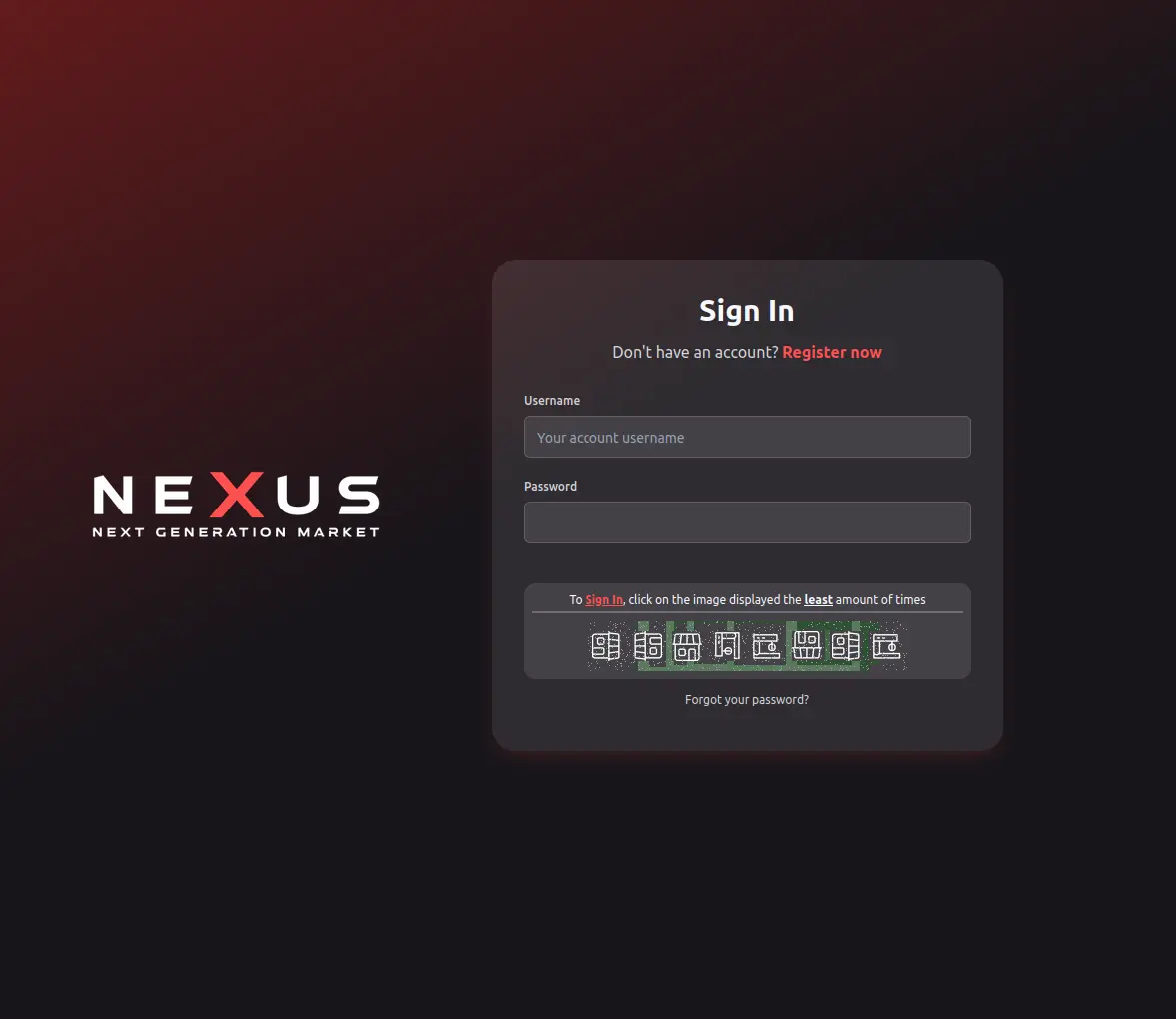
> platform_launch: November 2023
> currencies_supported: BTC, XMR, LTC
> security_features: 2FA, PGP, Escrow
> interface_theme: Cyberpunk Rose
> vendor_verification: Required
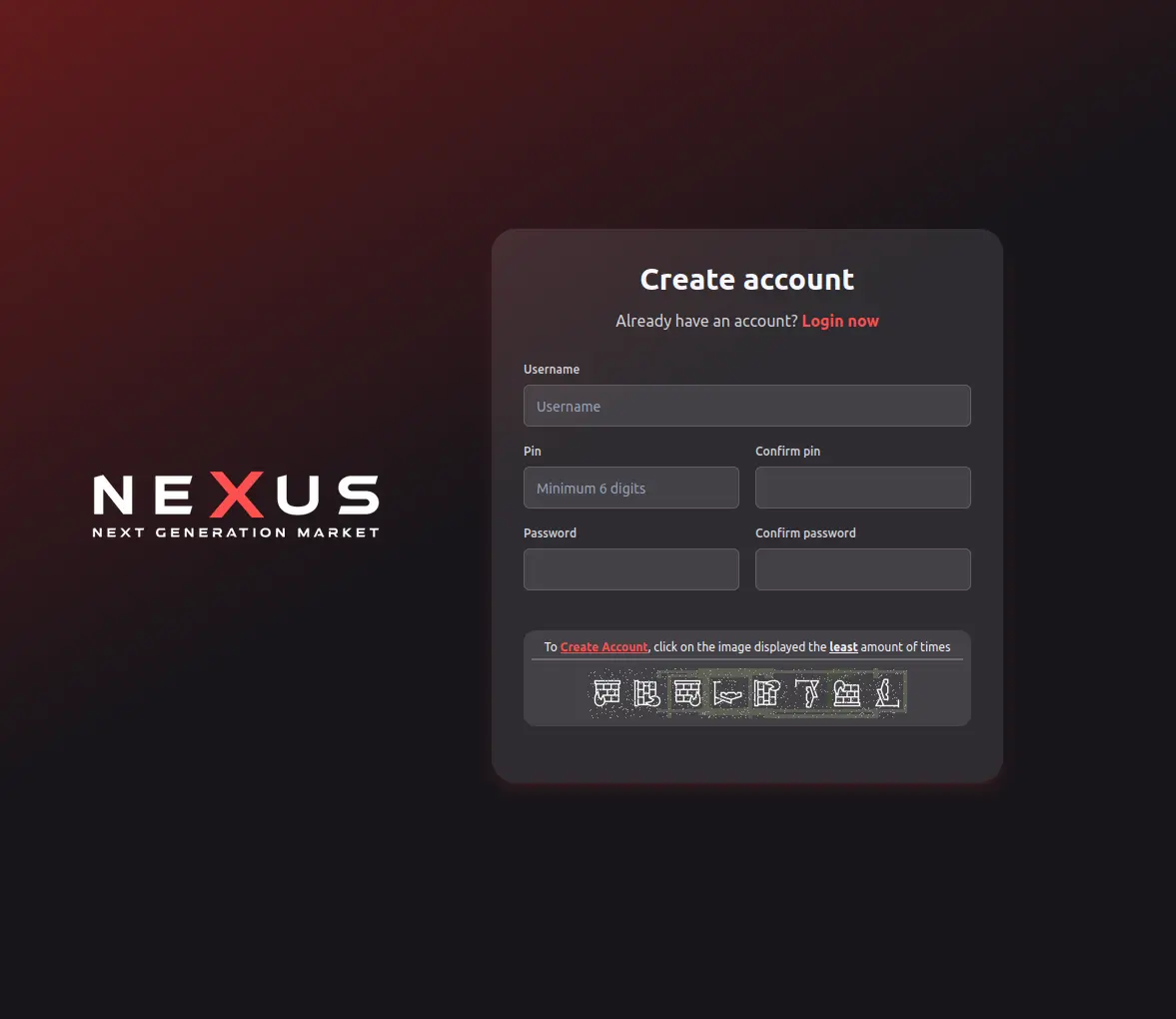
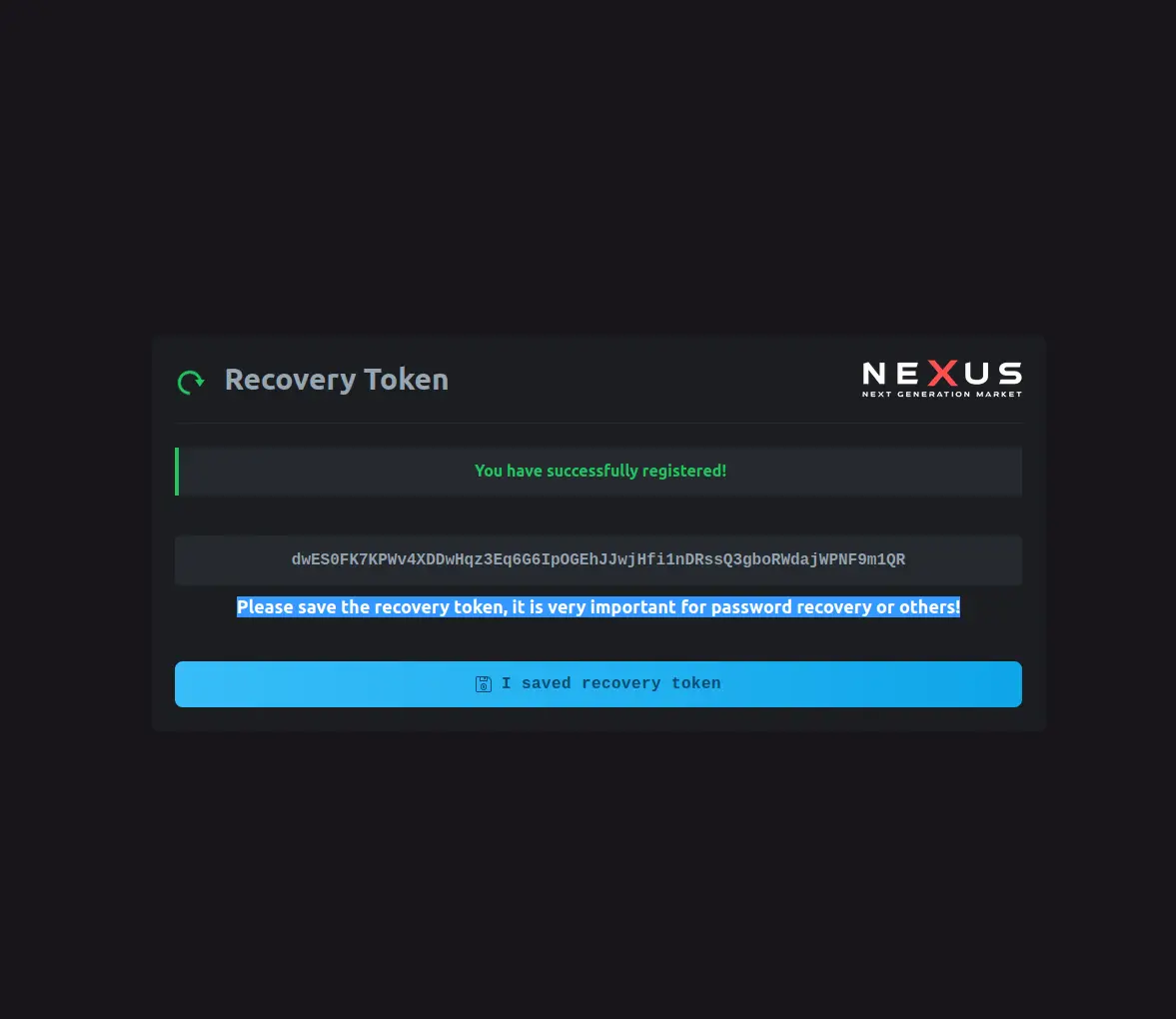
Nexus Market Features
Technical capabilities and user-focused functionality
Multi-Currency
Payment processing supported three major cryptocurrencies. Bitcoin remained popular for its widespread adoption. Monero attracted privacy-focused users. Litecoin provided faster confirmations for time-sensitive transactions.
Wallet management allowed users to maintain balances in multiple currencies simultaneously. Conversion features helped when specific payment methods were required.
Escrow Protection
Mandatory escrow protected all transactions on the platform. Funds remained secure until buyers confirmed receipt of orders. This system reduced fraud and built trust between parties who had never transacted before.
Dispute resolution processes existed for situations where problems arose. Moderators reviewed evidence and made binding decisions.
Security Layers
Two-factor authentication added login protection. PGP encryption secured sensitive communications between users. These layers combined to create defense against unauthorized access attempts.
Account recovery options existed but required proper setup during registration.
Vendor System
Sellers underwent verification before listing products. Bond requirements ensured commitment to platform rules. Rating systems helped buyers identify reliable vendors based on past performance.
Vendor levels unlocked additional features as trust scores improved over time.
Encrypted Messaging
Internal messaging supported PGP integration for sensitive discussions. Buyers and vendors could communicate securely without exposing personal details. Auto-delete features removed old messages automatically.
Message encryption remained optional but strongly encouraged by platform guidelines.
User Dashboard
Personalized dashboards displayed order history and account status. Balance information showed current holdings across all supported currencies. Notification systems alerted users to important updates.
Quick actions enabled common tasks without navigating through multiple pages.
Nexus Security Protocols
Protection measures and privacy considerations
Authentication Security
Strong password requirements protected accounts from brute force attempts. Two-factor authentication using TOTP apps added time-based verification codes to the login process. Without both factors, access remained blocked.
Login attempt monitoring flagged suspicious activity patterns. Accounts could be locked if unusual behavior was detected. Recovery procedures required verification through previously established channels.
Session management automatically expired inactive connections. Users were logged out after periods of inactivity to prevent unauthorized access on shared devices.
PGP Integration
Pretty Good Privacy encryption secured message contents between users. Vendors typically published public keys on their profiles for buyers to use when sending sensitive information. Encrypted messages could only be read by intended recipients.
Link verification used PGP signatures to confirm authenticity. Before accessing any mirror, users were advised to verify the URL against signed messages from official sources. This prevented phishing attacks.
Resources for learning PGP remain available at OpenPGP.org and through various privacy-focused communities.
Transaction Protection
Escrow held funds during order fulfillment. Neither buyer nor seller controlled the money until conditions were met. This eliminated many common scam vectors that plagued direct trades.
Finalize early options existed but were strongly discouraged for new relationships. The platform warned users about risks associated with releasing funds before receiving goods.
Dispute resolution stepped in when problems occurred. Evidence submission allowed both parties to present their case. Moderators made final decisions based on available information.
Network Privacy
Access required Tor Browser to reach the onion address. This routing concealed user locations and prevented direct connections to platform servers. Traffic analysis became significantly more difficult.
The platform operated as a hidden service, meaning server locations remained unknown to external observers. This added protection against potential seizure attempts.
Users seeking additional privacy could combine Tor with Tails OS or Whonix for full anonymity.
Security Best Practices
- Verify Links: Always check PGP signatures before accessing any mirror. Phishing sites replicate interfaces perfectly.
- Enable 2FA: Set up two-factor authentication immediately after account creation. This single step prevents most unauthorized access.
- Use PGP: Encrypt sensitive messages. Never send personal information in plaintext, even through internal messaging.
- Unique Passwords: Create strong, unique passwords using a manager like KeePassXC. Never reuse credentials across platforms.
- Check URLs: Bookmark verified addresses. Type carefully when entering onion links manually.
- Update Software: Keep Tor Browser current. Security patches address vulnerabilities that could compromise anonymity.
- Minimal Information: Share only what transactions require. Avoid unnecessary details in communications.
- Escrow Always: Never finalize early with unknown vendors. The protection exists for good reasons.
How to Access Nexus Safely
Step-by-step instructions for secure platform access
Download Tor Browser
Visit torproject.org directly. Download the official browser for your operating system. Verify the download signature if possible. Install following the provided instructions. Launch and connect to the network.
> estimated_time: 5 minutes
Get Verified Links
Obtain onion addresses from trusted sources only. This site provides verified mirrors. Check dark.fail for additional verification. Import the official PGP key and verify signatures on any links before use.
> security_critical: true
Create Account
Choose a unique username unconnected to other identities. Generate a strong password with mixed characters. Store credentials securely using an offline password manager. Complete the registration captcha if required.
> password_length: 16+ characters
Configure Security
Enable two-factor authentication in account settings. Save the backup codes in a secure location. Set up your PGP public key if you plan to receive encrypted messages. Review all privacy options available.
> 2fa_required: immediate
Access Tips
Patience matters when using Tor. Connections may be slower than clearnet browsing. Allow pages to load fully before clicking links. If one mirror seems slow, try another from the verified list.
Bookmark working addresses in Tor Browser. This prevents typos that could lead to phishing sites. Update bookmarks when mirrors change. Check status pages for current working links.
Consider using Qubes OS for compartmentalized security. Tails provides amnesic sessions that leave no traces. Whonix separates networking from browsing for additional protection.
Nexus Vendor Information
Marketplace seller ecosystem and verification processes
Verification Process
New vendors submitted applications for review. Bond payments demonstrated commitment to following rules. Verification could take several days depending on queue length. Once approved, sellers gained access to listing tools.
Established vendors from other platforms sometimes received expedited processing. Reputation transfers helped quality sellers get started faster. The platform encouraged proven vendors to join.
Rules violations could result in bond forfeiture. Serious infractions led to permanent bans. This financial stake encouraged compliance with community standards.
Rating System
Buyers left feedback after transactions completed. Star ratings reflected overall satisfaction. Written reviews provided context about specific experiences. This information helped future buyers make decisions.
Vendor levels increased with positive feedback accumulation. Higher levels unlocked better visibility and additional features. Top-rated sellers appeared in recommended sections.
Fake reviews faced detection systems. Patterns suggesting artificial inflation triggered investigations. Manipulating feedback resulted in penalties.
Dispute Resolution
Problems between buyers and sellers went to moderation. Both parties submitted evidence supporting their positions. Screenshots, tracking information, and communication logs helped establish facts.
Moderators reviewed cases and issued binding decisions. Funds held in escrow were released according to these rulings. Appeals existed for certain situations but were rarely overturned.
Resolution times varied based on case complexity. Simple issues resolved quickly. Complicated disputes required more investigation.
Shipping Standards
Vendors set their own shipping methods and prices. Domestic options typically arrived faster with less risk. International shipping involved additional considerations and longer timeframes.
Stealth requirements protected packages during transit. Experienced sellers understood proper concealment techniques. Reviews often mentioned packaging quality.
Tracking availability depended on the shipping method chosen. Some options provided full tracking while others offered none for privacy reasons.
Nexus Cryptocurrency Guide
Payment methods and transaction handling
Most recognized cryptocurrency. Widely available through exchanges. Bitcoin.org provides official information.
Privacy-focused cryptocurrency. Transactions are untraceable by default. Enhanced anonymity for sensitive purchases.
Faster confirmations than Bitcoin. Lower fees for smaller transactions. Good alternative when speed matters.
Transaction Guidelines
Deposit addresses were unique per transaction. Reusing old addresses could result in lost funds. Always generate fresh deposit addresses when adding funds to accounts. Confirmations required before balances updated.
Withdrawal processing occurred at scheduled intervals. Batching helped reduce blockchain fees and improved privacy. Users could set minimum withdrawal thresholds based on their preferences.
For maximum privacy, consider tumbling or mixing services before depositing. Wasabi Wallet offers built-in CoinJoin for Bitcoin users. Monero provides privacy by default without additional steps.
Current cryptocurrency prices can be checked at CoinGecko or similar tracking sites. Market volatility means prices change constantly.
> BTC/USD: Loading...
> XMR/USD: Loading...
> LTC/USD: Loading...
> last_update: -
Nexus Quick FAQ
Common questions answered
Nexus Market Updates
Latest information and status
Current Status
This informational portal provides historical information and archived resources related to the marketplace. The platform operated from November 2023 through January 2025. During its operational period, it served thousands of users and processed numerous transactions.
For current darknet market news and updates, resources like Darknet Live provide ongoing coverage of the ecosystem. Always verify any information through multiple sources before acting on it.
This site maintains mirror link information for reference purposes. Link verification remains important regardless of the platform being accessed. The security practices described here apply broadly to darknet marketplace usage.
> page_updated: Loading...
> mirrors_checked: Active verification ongoing
> information_status: Historical reference
Access Nexus Now
Verified links and mirror directory
Nexus User Interface
Platform design and navigation structure
Nexus Design Philosophy
The Nexus marketplace featured a distinctive cyberpunk aesthetic with rose-pink accent colors. This visual identity made the platform instantly recognizable among darknet markets. The Nexus interface prioritized usability alongside style.
Dashboard layouts organized information logically. Users could access account balances, order history, and messages from a central hub. The Nexus navigation structure kept frequently-used functions within easy reach.
Mobile responsiveness allowed Nexus access from various devices through Tor Browser. While desktop remained the primary access method, the interface adapted to smaller screens when needed. This flexibility served users who preferred mobile browsing.
Nexus Search System
Product discovery on Nexus used filters and categories. Users could narrow results by price range, shipping options, vendor ratings, and more. The Nexus search algorithm returned relevant results based on listing titles and descriptions.
Category browsing offered an alternative to direct searching. The Nexus marketplace organized products into logical groupings. Subcategories provided further refinement for users seeking specific items.
Vendor search allowed finding specific sellers by name. Regular Nexus users often developed preferred vendor relationships. The search system helped maintain these connections across the platform.
Nexus Account Settings
The Nexus settings panel provided control over account configuration. Security options included password changes, 2FA management, and PGP key storage. Users could customize their Nexus experience through various preference toggles.
Notification preferences determined which alerts users received. The Nexus messaging system could notify about orders, disputes, and account activity. These settings helped manage communication volume.
Privacy controls allowed users to limit visible profile information. While the Nexus platform required some data for transactions, users could minimize exposure beyond operational necessities. These controls reflected the privacy-focused nature of the marketplace.
Nexus Market Community
User base and support ecosystem
Nexus User Base
The Nexus community grew rapidly following launch. Buyers and vendors from various regions joined the platform. During peak operation, Nexus served tens of thousands of registered accounts. This growth demonstrated market demand for the services offered.
Active participation drove Nexus marketplace evolution. User feedback influenced feature development and policy adjustments. The administration considered community input when making platform changes.
Forum discussions provided spaces for Nexus users to interact. Topics ranged from vendor reviews to security advice. These community spaces helped establish norms and share knowledge among participants.
Nexus Support System
Support tickets allowed users to contact Nexus administration directly. Issues ranged from account problems to transaction disputes. Response times varied based on ticket volume and issue complexity.
Self-service options handled common questions. The Nexus FAQ addressed frequent concerns about account setup, payments, and security. Many users found answers without needing to submit tickets.
Moderation staff handled disputes between buyers and vendors. When escrow-protected transactions encountered problems, the Nexus team reviewed evidence and issued decisions. This human element supplemented automated systems.
Additional Nexus Resources
Helpful links and external information
Privacy Tools
- Tor Project - Anonymous browsing
- Tails OS - Amnesic live system
- Whonix - Isolated workstation
- Qubes OS - Security compartments
Encryption
Cryptocurrency
- Bitcoin.org - BTC official
- GetMonero - XMR official
- Wasabi Wallet - Privacy wallet
- CoinGecko - Price tracking
Learn More
The Electronic Frontier Foundation provides excellent resources on digital privacy and security. Their guides cover topics from basic operational security to advanced anonymity techniques.
Privacy Guides offers recommendations for privacy-focused software and practices. Their community-driven approach ensures information stays current and relevant.
OnionShare enables secure file sharing through Tor. This tool proves useful when transferring sensitive information without exposing your identity or location.